ASIST Training: Empowering ISC Staff to Better Serve and Support Seafarers

On July 21 and 22, staff and volunteers from Seamen’s Church Institute’s International Seafarers’ Center (ISC) participated in Applied Suicide Intervention Skills Training (ASIST)—a globally recognized, evidence-based workshop designed to equip participants with life-saving intervention skills. The training focused not only on recognizing and responding to individuals at risk of suicide but also on empowering participants to engage meaningfully with those experiencing profound emotional distress.
The workshop was led by seasoned facilitators Dr. Mansour “Max” Banilivy, Director of Clinical Training and Education at WellLife Network, and Mary Jean Coleman, Consultant at the American Foundation for Suicide Prevention. Their combined expertise and compassionate instruction created a rich and impactful learning environment.
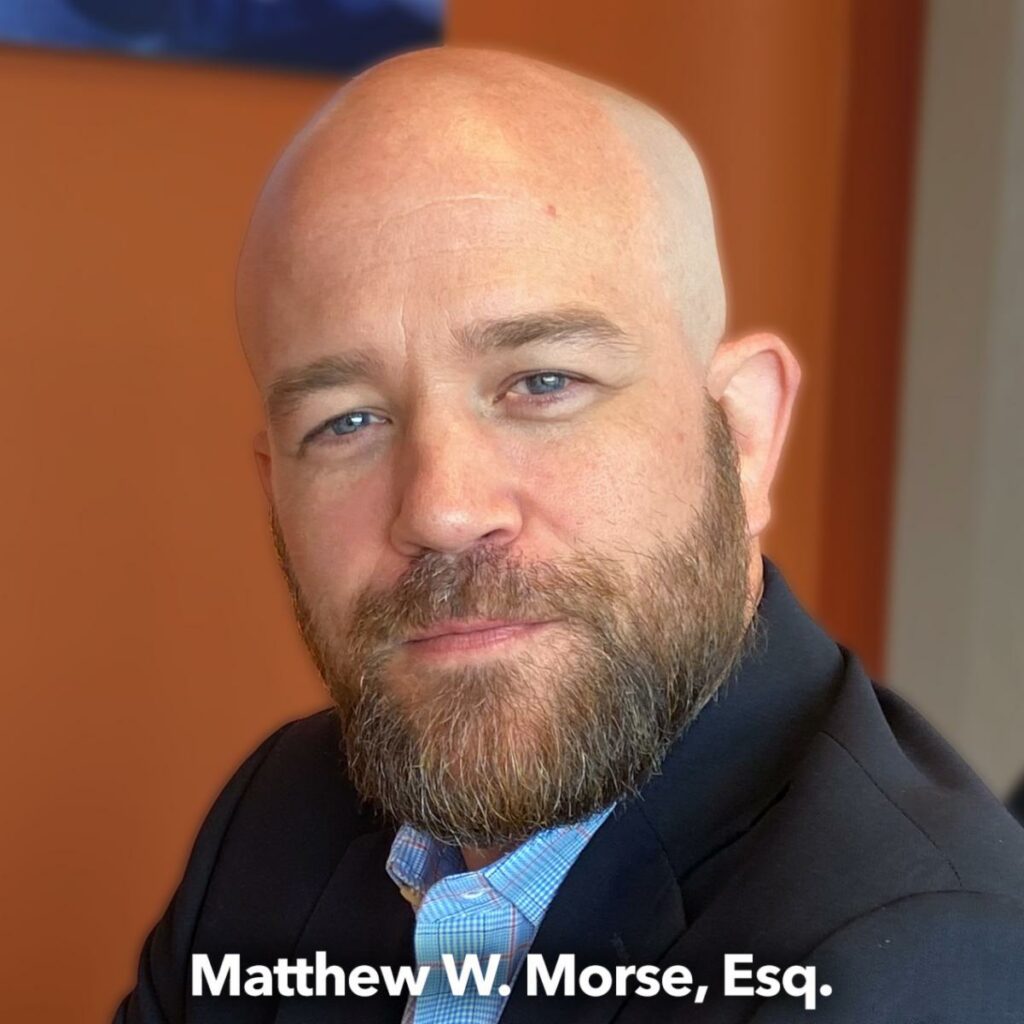
SCI attendees included ISC Director Matt Morse, full-time SCI Chaplain and licensed social worker Michelle McWilliams, and volunteer Chaplain Associates Rev. Dr. Phillip Yohannan, Rev. Mathew Thomas, Rev. Mary Mathew, and Professor Matt Rosales.
ASIST, developed by LivingWorks, teaches participants how to recognize warning signs, engage with those in crisis, and develop a safety plan that preserves life and dignity. Through practical simulations and group discussions, participants gain the confidence to have difficult conversations about suicide and support those navigating emotional or psychological challenges.
For SCI—whose mission centers on the physical, emotional, and spiritual well-being of mariners—the significance of this training cannot be overstated. Seafarers and maritime workers often endure social isolation, immense stress, and limited access to mental health resources. As such, SCI personnel must be prepared to respond compassionately and effectively when signs of distress arise—whether aboard vessels or within the ISC’s port-based community.
Reflecting on the training, Director Matt Morse remarked:
“As a result of this training, the ISC team is now better positioned to support the well-being of seafarers aboard vessels, as well as maritime workers who visit our center. With the skills and confidence gained through ASIST, we are now equipped to be a lifeline—offering not just intervention, but a sense of safety, connection, and care when it matters most.”
He continued:
“The importance of this training cannot be overstated. Suicide remains a critical public health issue, and those working closely with vulnerable populations—such as the seafarers and maritime workers we are privileged to serve—must be prepared to offer immediate, informed, and empathetic care. ASIST has strengthened our ability to respond in a way that upholds inherent human dignity and fosters hope in moments of deepest need.”