
Being There for the Grieving Maritime Community

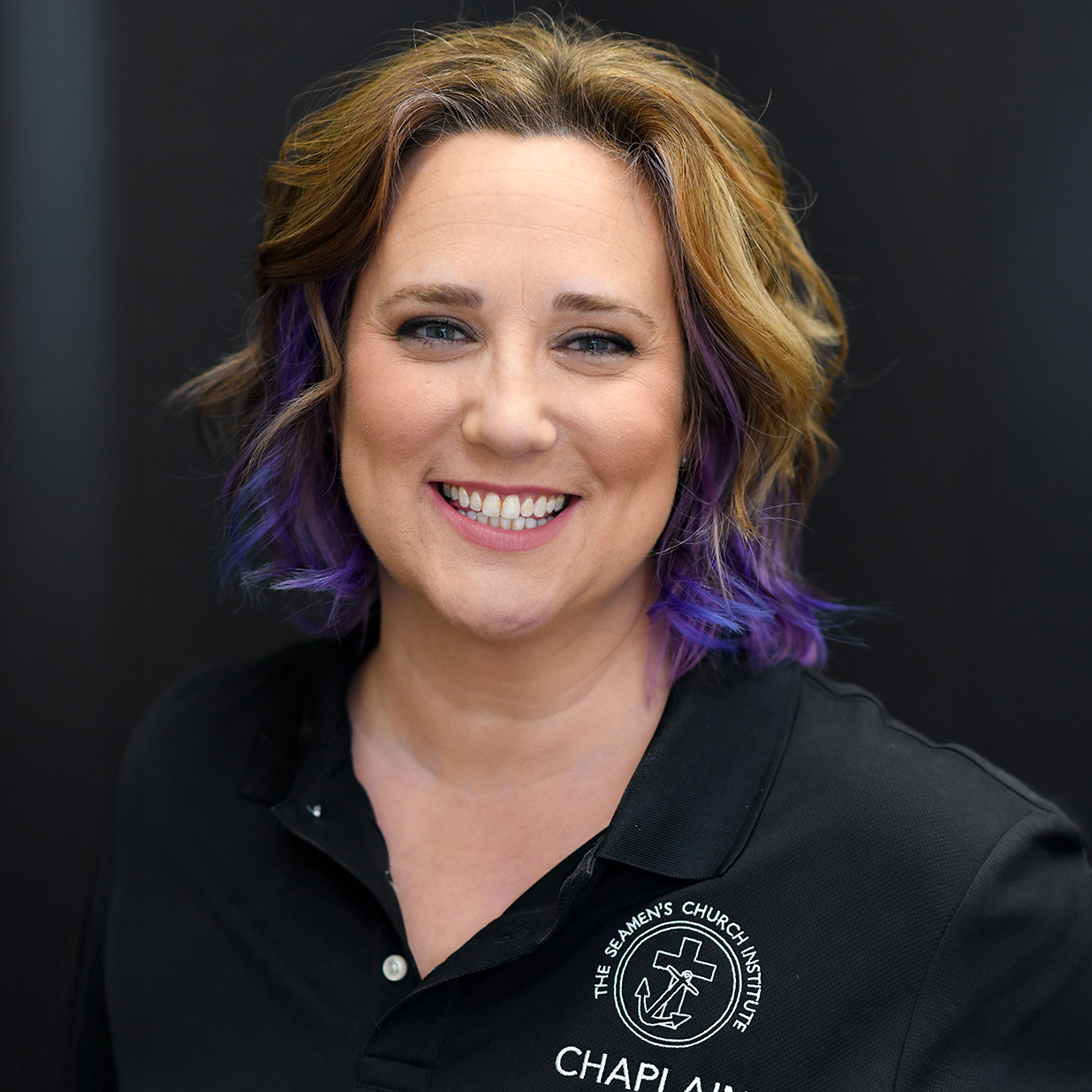
by the Rev. Grace Pardun
Supervisory Chaplain, Ministry on the River, Upper Mississippi & Ohio River Region
From the June 2025 Quarterly Activity Report
On Good Friday, when many of us are preparing for the holiest weekend of the church year, I got a phone call from a maritime company. A well-loved shoreside staffer, who had been with the company for many years, fell ill suddenly and sadly passed away. Through talking with the company, I understood that her loss was going to be difficult and impactful.
On Easter Sunday, I got in my vehicle and drove several hours to the company’s location. Early Monday morning, I met with the company’s leadership to discuss the plan for the day. I held a session with the entire staff, then with the family of the deceased when they arrived. After that, I went to the shipyard and met with the staff and workers there. Finally, I returned to the shoreside offices and conducted a Critical Incident Management Debriefing with three staff members who were more directly impacted. In between each of these sessions, I met with staff members, one-on-one, to offer grief counseling.
It was a full day. Given the relentless pace of the inland maritime industry, it would have been easy to overlook the need for space to grieve or reflect on a tragic loss. But company leadership made a wise and compassionate choice: to pause and make time. The family of the deceased was invited to the company office to meet the staff, the very people the deceased often spoke about. It became a meaningful moment of connection, as they shared stories, honored her memory, and came together in remembrance while collecting her personal belongings. As someone still relatively new to full-time maritime chaplaincy, I am particularly moved by how deeply interconnected the people are within our industry. This loss showed this: it rippled, affecting everyone at work as if they were family.
Losing someone is heartbreaking and unsettling. Too often, we don’t allow ourselves the time or space to truly grieve. We convince ourselves that the best response is to stay busy, to keep moving forward. And yet, facing difficult feelings within a community, with each other, while it’s not pretty or comfortable, is incredibly helpful for the long journey of healing. In my view, this was the essence of my visit: to support this community in taking the first steps toward healing. I believe it was an experience that reflects the core of SCI’s chaplaincy—entering willingly into difficult places of hardship and sorrow, bringing with us peace, comfort, and reassurance that no one in maritime stands alone. When we experience loss, we mourn as a community, and together, we begin to heal.